
Diagnosis and Determined: How My Journey Led Me to Create This Space
STORIES
2020 was a year of chaos and upheaval - the COVID-19 pandemic brought new restrictions, hospital understaffing, and major delays for patients awaiting care. As an RN who worked during this period, 2020 also marked a critical turning point in my own health - one that included several emergency department admissions, multiple misdiagnoses, and consultations with 15 different doctors before finally being diagnosed with endometriosis.
Onset of Symptoms
I'd always had heavy, painful periods, but in June 2019, everything changed. I began to feel exhausted all the time, and soon, I was hit with sharp, stabbing knife-like pain on the lower right side of my abdomen. Something was seriously wrong and I knew this pain wasn't going to go away.
At first, I assumed it was appendicitis due to the nature of the pain and other symptoms I experienced until February 2020, when it became unbearable. Both the emergency doctors and the surgical team suspected appendicitis too. Even after my appendix was removed, the same knife-like pain persisted, unfazed by morphine. My condition worsened, leaving my surgeon and nurses puzzled as they tried to get to the bottom of what was going on.
Post-Surgical Findings and Reflections
Upset and deeply concerned that my surgery may have been unsuccessful, I took proactive steps to understand what had happened. I requested access to all my medical notes and the surgical registrar’s findings. His report revealed that during the laparoscopic procedure, my reproductive organs appeared “normal.” The pathology results showed my appendix was also normal, with no abnormalities detected.
Confused, distressed and still in pain two months after surgery, I grew increasingly worried, wondering what might be wrong. I went to see my GP because I was experiencing bloating and changes in my bowel movements. Suspecting a gastroenterology issue, my GP suggested switching to a low FODMAP diet, but this did not relieve my pain. Determined to find answers, I started doing my own research online and reading my medical textbooks, where the term “endometriosis” first caught my attention. Yet, I remained uncertain despite having at least 90% of the symptoms described in the resources. Then my mother mentioned she had endometriosis when she was my age. This sparked a pivotal question: "What if I have it too?" Although this seemed possible given its genetic predisposition, I knew from my research, that diagnosing endometriosis is incredibly difficult and requires laparoscopic surgery for confirmation.
Between February and late May 2020, I mentioned my suspicion of endometriosis during several ED visits, noting my family history and clinical reasoning as a nurse. However, my concerns were dismissed, and I was instead diagnosed with renal colic, interstitial cystitis, IBS, or diverticulitis. Each time, I was sent home confused and frustrated, desperately hoping they were right and I was wrong. But I was sick and tired of coming to the hospital without getting answers - just pain relief before being sent home with no cause identified. The pain relief felt like a band-aid, though I remained grateful to the healthcare staff who provided it. My determination, however, kept me moving forward. After carefully analysing my test results and spending many late nights conducting in-depth research, I focussed solely on endometriosis, having systematically eliminated other possible conditions.
But each hospital visit resulted in increased discouragement and a sense of being dismissed, which began to adversely affect my mental health. With every hospital admission, with every doctor's visit, my condition deteriorated. My fatigue intensified, I began experiencing pain with urination and bowel movements, nausea, vomiting, and most alarmingly, the pain started to spread beyond my menstrual cycle, engulfing my entire lower pelvis to the point where I could no longer walk. I became dependent on a wheelchair, my father had to carry me to the bathroom, and my mother assisted with showering. This rapid progression stripped away my independence, transforming me from a then self-sufficient 28-year-old into someone unable to perform basic self-care. I remember crying to my parents in shame and helplessness, telling them through the pain that I felt like giving up on life. I prayed daily for a miracle, for someone to truly listen to me, while grappling with despairing questions: "Why me?" and "If none of these doctors can help or listen, then who can?" This spiral of anxiety led me into a deep depression, but I held onto a thread of hope - thanks to the love of my family and friends. Without them, I would have truly given up.
It wasn't until late May 2020 that I decided to take a bold step. After consulting with fifteen different doctors, I sought out an endometriosis specialist and surgeon in the private sector, driven by an unshakable intuition that I had endometriosis and needed another perspective. Though it was a financial and health risk, I felt it was essential to regain control over my body. To my surprise, at my first appointment, the surgeon had already reviewed all my notes from previous hospital admissions - I didn't have to recount my entire experience again. He indicated that endometriosis was highly likely, but confirmation would require laparoscopic surgery.
Anxiety lingered—I worried nothing would show up and I’d be back where I started. Yet, during our consultation, I experienced an unfamiliar sense of safety and validation; I trusted his expertise completely. Internally, I made myself a promise: if endometriosis was confirmed and I recovered, I would devote myself to supporting other women with the same condition, enhance my nursing skills, and advocate passionately for those suffering similarly. My aim became clear: reduce diagnostic delays and help others access care promptly through education, turning my own challenges into empowerment for others.
My suspicion was confirmed after surgery on 8 June 2020. Receiving the endometriosis diagnosis validated what I had been experiencing and gave me hope. This journey has had a profound impact on my life. Although it may sound unusual, I feel incredibly grateful for what I've gone through. It has helped me become a better nurse, see life from a new perspective, appreciate small moments, and truly embrace every day. I am also deeply thankful for the compassionate doctors and nurses who renewed my faith in healthcare —they listened and never gave up on me.
Throughout this journey, I discovered a significant lack of endometriosis awareness among healthcare professionals. Even as a healthcare professional myself, I faced major challenges obtaining a diagnosis, which made me realise how much harder it must be for those without medical knowledge. This realisation ignited a fire in me—I knew I had to do something. That's why I created this platform: to close the gap in women's health education, reduce diagnostic delays, and remind you that you are not alone. This experience helped me discover my own strength and sense of purpose, and now I want to help you discover yours too.
You deserve to be heard, believed, and diagnosed without years of suffering.
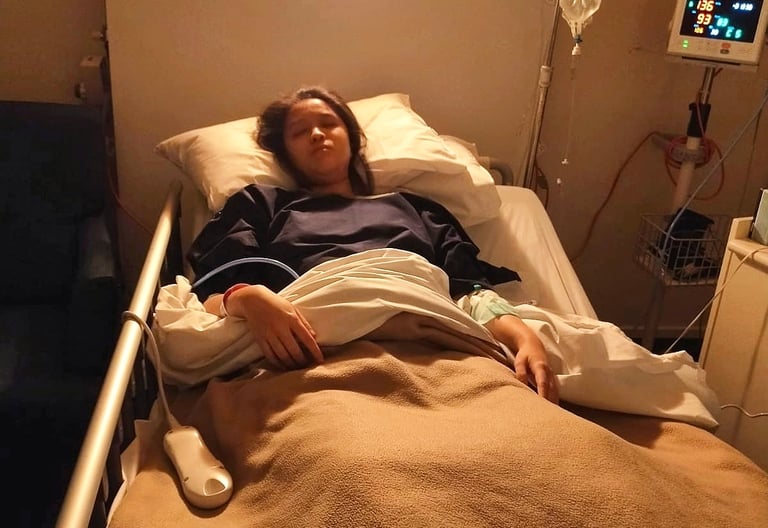
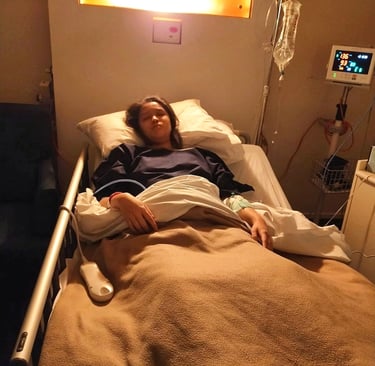
Image: recovery photo post-op after my first endometriosis surgery. Big thank you to my endo specialist and surgeon Dr Anil Sharma, the anaesthetist, and the caring nurses at Mercy Hospital, Greenlane, Auckland.
Empower Your Mind, Embrace Your Strength
Sign up to receive our Mindful & Powerful Within newsletter to stay updated on new blog posts, helpful resources, exclusive wellness tips and upcoming products designed to support your mental health and chronic illness journey
Stay informed & inspired
Disclaimer
The content on this website is for general knowledge and informational purposes only and should not be considered medical advice. All information presented is carefully sourced from peer-reviewed journals, reputable medical organisations, certified NZ & Australian health professionals with a current APC, and other credible sources. The content is regularly reviewed quarterly to ensure its accuracy and relevance. However, it is not intended to be a substitute for professional medical advice, diagnosis, or treatment and should not be used to diagnose or treat any health condition.
Using this website does not create a health professional-client relationship. We do not accept clients or offer individual consultations. For medical advice and treatment, please consult your personal physician or other qualified healthcare provider with any questions you may have regarding a medical condition. If you require urgent care, please go to the nearest emergency department.
© 2025 Mindful & Powerful Within Limited | All Rights Reserved | New Zealand
©